




What Is Felt?
Unlike ordinary woven fabrics made by interlacing threads,
felt is a non-woven fabric made by compressing and bonding fibers. Because it has no woven structure, it frays less at the edges and can be used either like a firm sheet material or like a soft craft fabric depending on its thickness and density.
- Repeated use ◎
- Bags · Displays · Bulletin boards
- Maintains a clean appearance
- Shape stability ◎
- Teaching aids · Panels · Laser cutting
- Excellent cutting lines
- Color expression ◎
- Props · Décor · Crafts
- Visual finish quality
The easiest way to answer “Which felt is right for my project?” is to define the nature of the product first. The selection criteria change depending on whether it is a long-lasting item, a structure where shape matters, or a craft piece where color and texture are most important.
For Felt, Structure and Density Matter More Than Thickness
When choosing felt, thickness is usually the first thing people notice. However, the actual result is determined not only by thickness but also by fiber density, surface texture, firmness, stretch, recovery, and pilling tendency. Even with the same 1mm or 2mm felt, cutting feel, bondability, shape retention, and product lifespan can vary depending on density and surface processing.
Density
High-density felt feels firm in the hand and keeps its outline relatively stable after cutting. For projects where shape matters—such as teaching aids, panels, coasters, and laser-cut parts—a dense hard type is advantageous.
Surface
Felt with an even surface makes dust and pilling less noticeable and gives the finished item a cleaner look. For repeatedly used products or display props, choosing felt with good surface manageability is important.
Recovery
Because felt is a compressed fiber material, each product responds differently to pressure and folding. For items frequently handled by hand—such as pouches, cases, and decorative props—both recovery and durability should be considered.
The Right Felt Depends on the Processing Method
Felt can be cut, bonded, sewn, folded, heated, and processed in many ways. If the material is too soft, the shape may collapse; if it is too firm, folding or curved work may be difficult. Therefore, the safest approach is to decide the finished shape and processing method first, then choose the felt.
Choosing by the Finished Product Reduces Mistakes
When selecting felt, the first question is not “Which brand is best?” but “What final result do I want to make?” The choice becomes much clearer when you consider frequency of use, shape retention, color expression, cutting difficulty, and maintenance.
Long-Lasting Items
For products that are frequently handled, such as bags, bulletin boards, display props, and repeatedly used teaching aids, surface manageability is important. It is best to consider functional felt first for pilling resistance and durability.
- Recommendation: Artifel
- Key: Pilling resistance · Appearance retention · Repeated use
Items That Need Structure
For projects that require a clear shape—such as teaching aids, panels, logo parts, and laser-cut components—materials that are too floppy can lower the finish quality. Hard types or high-density felt are advantageous.
- Recommendation: Solitone
- Key: Shape stability · Clean cutting lines · High density
Sensory Craft Items
For items where soft touch and color are important—such as flowers, dolls, ornaments, ribbons, and pouches—workability and color expression matter. Soft felt looks more natural than overly stiff material.
- Recommendation: Royal 10 / Royal 20
- Key: Softness · Color · Handmade sensibility
Solitone offers one of the widest color selections in the Shinwon Felt lineup, and its thin, hard surface provides a clean cutting feel that is well suited for handmade work. With many vivid solid colors, it is especially effective for projects where color matters, such as children’s and educational craft items.
- Recommended Use — Kids’ crafts · Teaching aids · Décor · Small laser/cutting parts
- Work Point — Thin enough for easy layering and bonding, with clean cutting lines
- Caution/Selection Tip — For large structures or panels, 2mm or thicker lines are more stable
- Stock — 38 of 144 colors regularly stocked
- Specs — Width 44 inch · Full length 50 yd · Thickness 1.2 mm
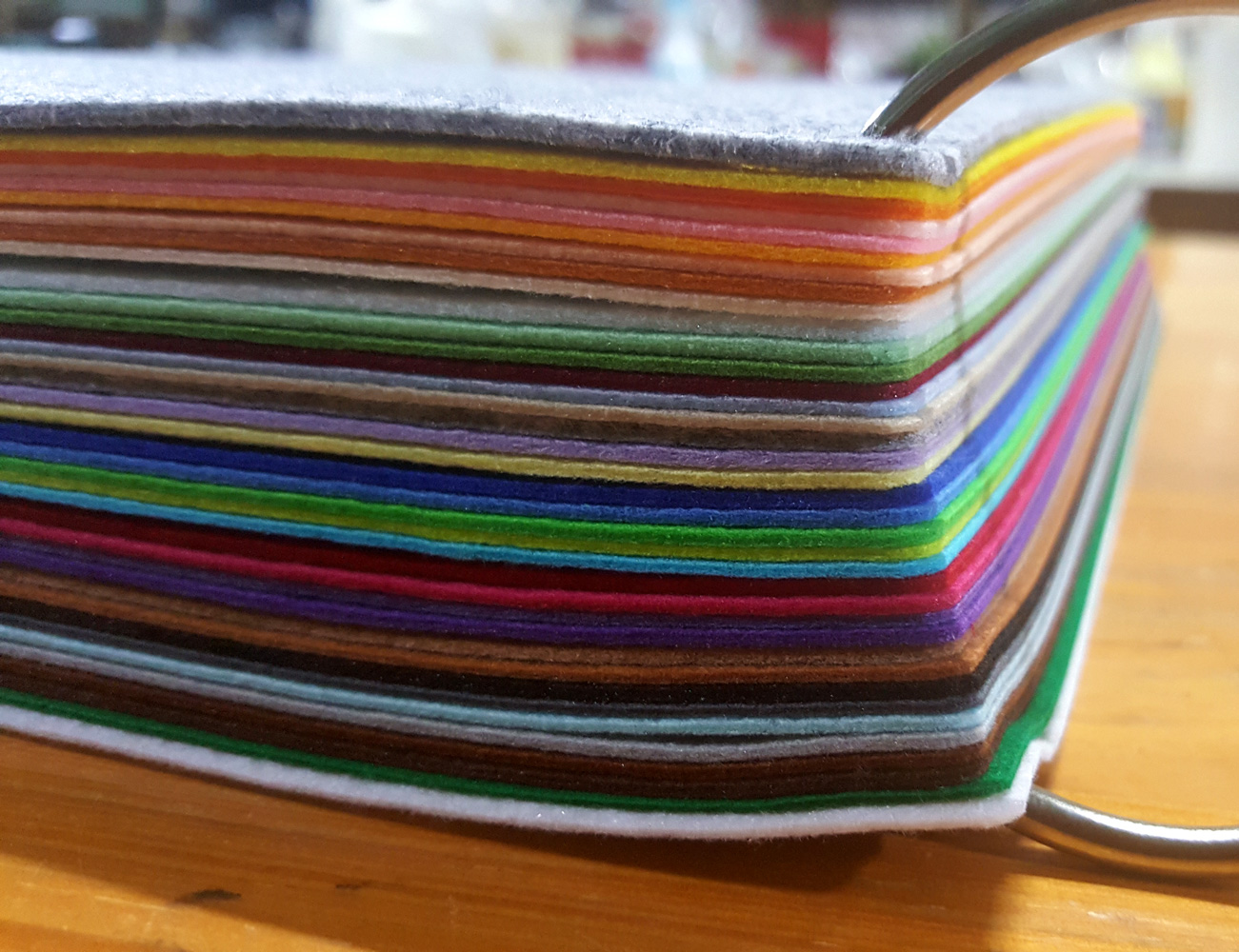
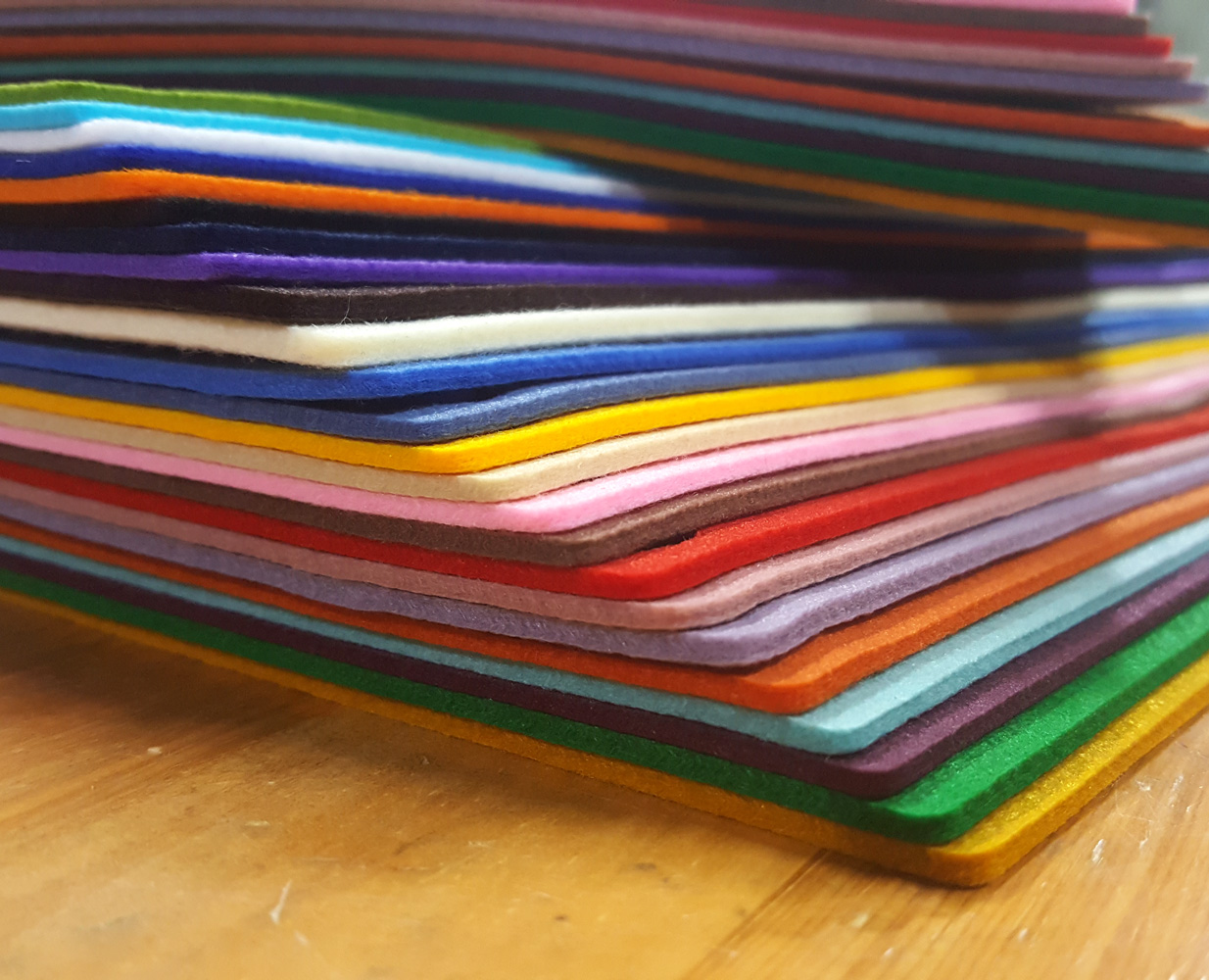
Royal is often chosen for handmade crafts and accessories because of its soft touch and stable colors. The 1.0mm type is suitable for folding and curved work, while the 2.0mm type offers better shape retention for practical items.
- Keyword — Thin · Soft · Draping work
- Recommended Use — Gathering · Folding · Ribbon/flower decorations · Sensory craft items
- Selection Tip — If structure is needed, reinforcement or ROYAL 20 is recommended
- Stock — 36 of 56 colors regularly stocked
- Specs — Width 44 inch · Full length 50 m · Thickness 1.0 mm

Good Felt Shows Its Difference After Completion
The quality of felt becomes more obvious after it is made into a finished item than when it is still a new sheet. The real quality is judged by the cut edge, the shape after sewing, lifting after bonding, and the amount of pilling and soiling after repeated use.
Check Before Working
- Thickness: Check whether it can provide the strength and volume needed for the finished item
- Density: Check whether the cut line holds its shape without collapsing
- Color: Check whether it appears in the desired tone under lighting and photography conditions
- Surface: Check whether pilling, grain direction, and texture suit the intended use
Check After Working
- Cut Edge: Check whether the edges are clean and the fibers are not excessively torn
- Bonded Area: Check for lifting, wrinkling, or adhesive bleeding
- Sewing: Check whether needle holes widen or tear
- Usability: Check whether pilling and soiling remain acceptable after repeated use
Structural Characteristics of Felt
Because felt is not a woven fabric made by crossing threads, its cut edges fray very little. This makes finishing after cutting simple and makes it suitable for craft, teaching, and decorative parts in various shapes.
- No FrayingThe edges do not unravel after cutting, allowing for clean cutting and processing.
- Performance Differences by DensityFirm felt can be used like a sheet material, while soft felt can be used with a cushioned feel.
- Different Uses by Surface ProcessingLifespan and maintainability vary depending on pilling resistance, water-repellent tendencies, and hardening treatments.
- Processing CompatibilityIt can be turned into products through various methods such as cutting, bonding, sewing, laser cutting, and die cutting.
The Result Differs Even with the Same Felt
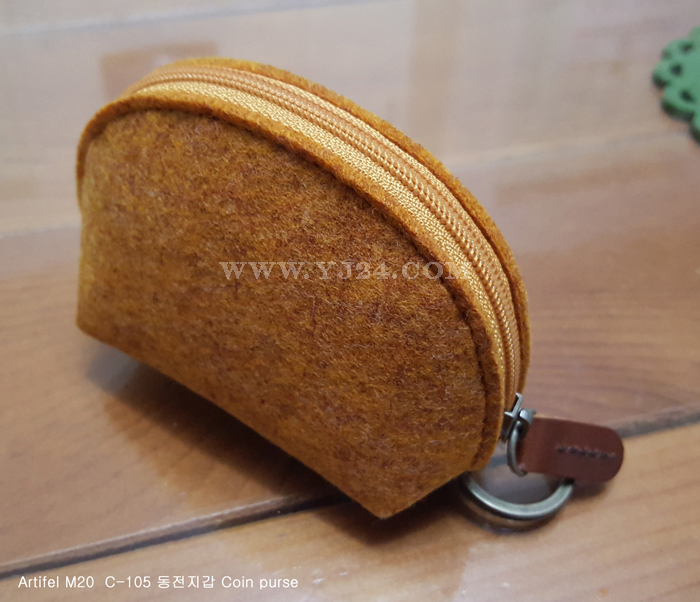
YJ24’s Felt Selection Standard
YJ24 does not view felt simply as colored fabric. We recommend product lines based on the finished item’s usage environment, processing method, repeated-use requirements, and post-completion maintainability.
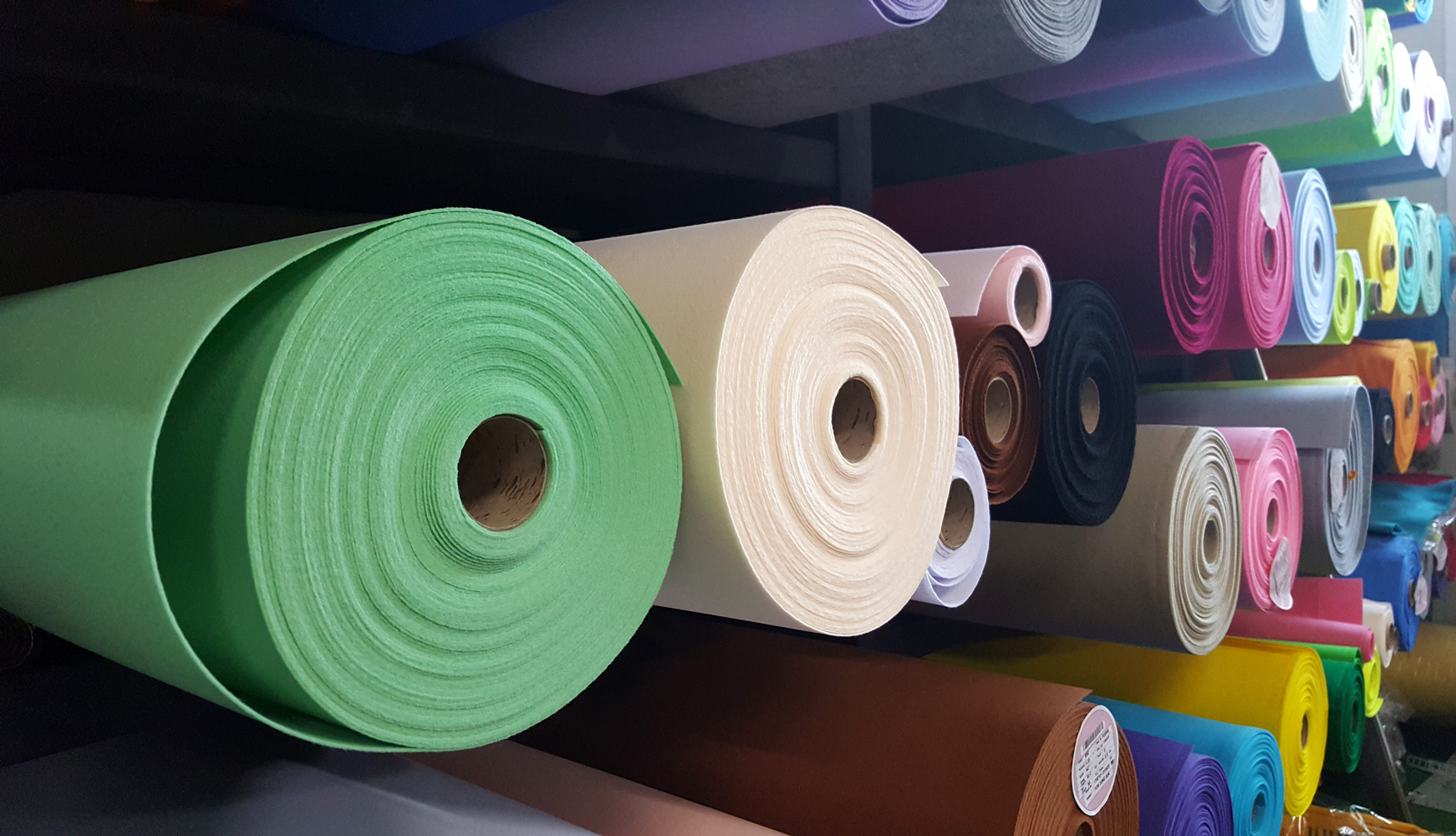
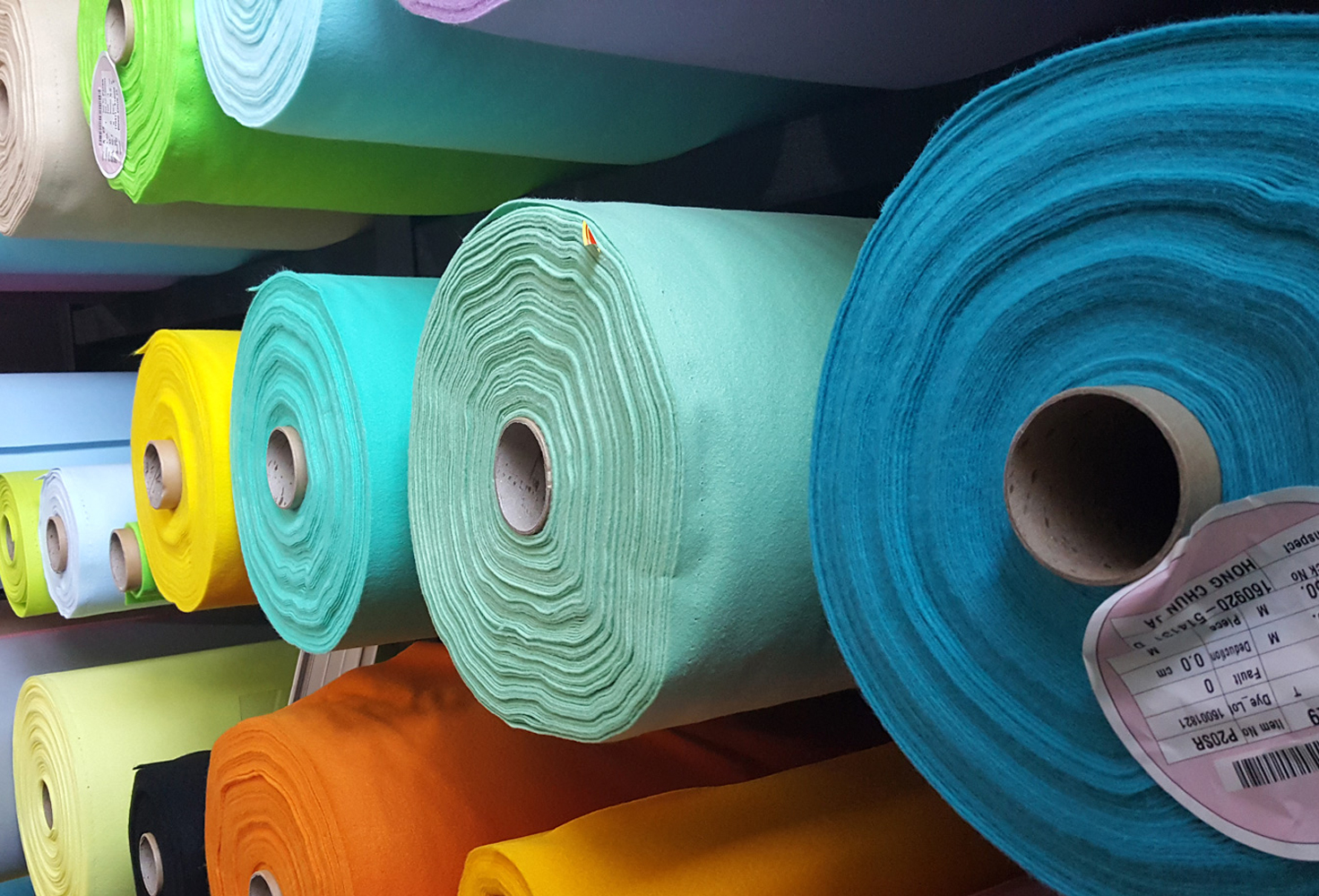
Choose Felt by Project Purpose
